

Setting up as a winegrower in the Loire Valley
Table of contents
- Why the Loire Valley is attracting a growing number of aspiring winegrowers
- A wine region where it is still possible to create a project that reflects your vision
- The Pays Nantais: a wine region facing the Atlantic
- Anjou: a wine region of possibilities
- Saumur: when heritage becomes an economic asset
- Chinon, Bourgueil and Saint-Nicolas-de-Bourgueil: the kingdom of Cabernet Franc
- Vouvray and Montlouis-sur-Loire: two expressions of the same exceptional grape variety
- Touraine: a wine region of remarkable diversity
- Sancerre and Pouilly-Fumé: international benchmarks
- Appellations on the rise
- Choosing a region before choosing an appellation
- Your project may begin with a simple conversation
Summarise this article with :


More than a wine region: a place to build a life and a business
Twenty years ago, when aspiring winegrowers considered where to establish themselves, they would almost naturally look towards Burgundy, Bordeaux or Champagne.
These wine regions remain global benchmarks today, and will continue to be so. However, they face intense pressure on vineyard land, particularly high valuations and strong competition for the estates that come onto the market.
Meanwhile, another wine region has undergone a profound transformation.
With nearly 42,000 hectares of vines, 34 Protected Designations of Origin (PDOs), one Protected Geographical Indication (PGI) and more than 255 million bottles sold each year—the equivalent of eight bottles every second—the Loire Valley is now France’s third-largest PDO wine region. Stretching nearly 800 kilometres from Nantes to Sancerre, it offers a diversity of terroirs, grape varieties and wine styles that is unique in France. (Source: InterLoire)
Yet these figures alone do not fully explain its appeal.
What sets the Loire Valley apart today is its ability to meet the changing expectations of those looking to develop a wine estate project.
Taking over a wine estate is no longer simply about producing wine.
It also means developing a business, devising a sustainable business model, choosing a place to live and building a project that can evolve over several decades.
From this perspective, few French wine regions currently offer such a favourable balance between economic potential, quality of life and opportunities for development.
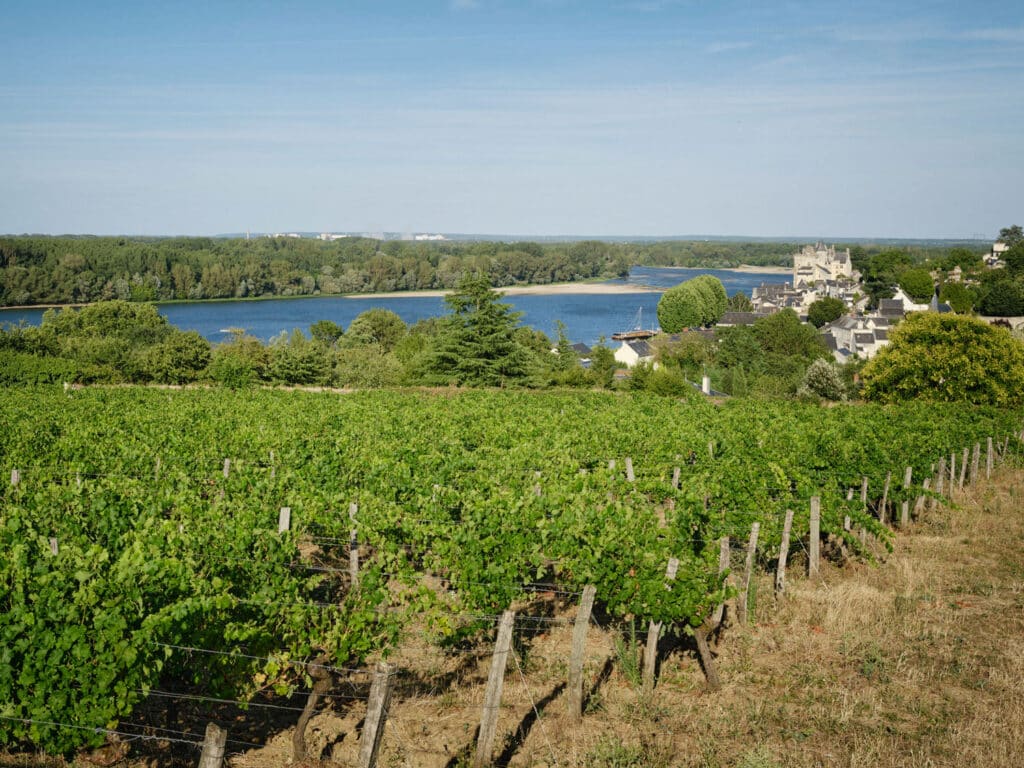
Why the Loire Valley is attracting a growing number of aspiring winegrowers
The growing interest in the Loire Valley vineyards is far more than a passing trend.
It reflects a profound transformation within the wine industry.
Consumers are increasingly looking for freshness, elegance and a distinctive identity in the wines they drink.
White wines continue to gain ground across many international markets. Lighter, more approachable red wines are appealing to a new generation of wine enthusiasts, while sparkling wines continue to enjoy steady growth.
These changing tastes naturally favour the styles of wine historically produced in the Loire Valley.
As the birthplace of Chenin Blanc, Cabernet Franc and Melon de Bourgogne, the region also produces a wide variety of wines from Sauvignon Blanc, Gamay, Pinot Noir and Côt, depending on the area.
This wealth of grape varieties enables wine estates to adopt very different market positions without ever compromising their identity or distinctive character.
Alongside these market developments, the wine industry is undergoing other significant changes.
Several traditionally sought-after wine regions must now contend with more frequent periods of drought, increasingly early harvests and higher alcohol levels. Although it is not immune to these challenges, the Loire Valley still appears to offer considerable scope for adaptation.
Wine tourism is also playing an increasingly important role in wine estates’ business models, and the region is particularly well suited to its development.
Lastly, a new generation of winegrowers is gradually preparing to hand over their estates, paving the way for numerous acquisition opportunities.
Today, all these trends are converging on the same region: the Loire Valley.
A wine region where it is still possible to create a project that reflects your vision
At Ampelio, we meet people from a wide range of backgrounds every year: winegrowers looking to expand, wine industry groups seeking to diversify, recent graduates, families, executives changing careers, investors and entrepreneurs.
Their backgrounds vary considerably.
Their questions, however, are almost always the same:
“Does the Loire Valley offer genuine opportunities to establish a wine estate?”
“Is it possible to develop an economically viable estate there?”
“Are there still affordable estates available?”
“Is it a suitable region in which to build a family project?”
These questions extend far beyond wine production alone.
They reflect a much broader ambition.
Today, most buyers are looking for both a successful business and a region where they can build a company, make a home, welcome visitors, develop their activities and, one day, pass on a story of their own.
This is precisely what the Loire Valley still offers.
A level of diversity that few French wine regions can match
The Loire Valley is not a homogeneous wine region. From the Atlantic influences of the Nantes wine region to the hillsides of the Centre-Loire, each area has its own grape varieties, terroirs, markets and economic dynamics. This diversity enables a wide range of projects to find a location suited to their ambitions.
Nearly 800 kilometres separate the Atlantic sea air of the Nantes wine region from the limestone hillsides of Sancerre. Within just a few hours’ drive, the landscapes change, the soils evolve, the climates shift and the wines tell a different story. This is probably what surprises prospective buyers most and represents one of the Loire Valley’s greatest strengths: depending on your project, some areas will naturally be better suited to your expectations than others.
The Pays Nantais: a wine region facing the Atlantic
The ocean is never far away.
It shapes the temperatures, the landscapes and, naturally, the wines.
Long associated almost exclusively with Muscadet, the Pays Nantais has undergone a profound transformation over the past fifteen years.
A new generation of winegrowers has played a major role in repositioning the appellation.
The crus communaux have gained recognition, while sur-lie ageing techniques have become increasingly precise.
The finest cuvées can now be found on the wine lists of many Michelin-starred and fine-dining restaurants.
This move upmarket has been driven in particular by extensive work on terroir expression, the development of the crus communaux and longer ageing periods, all of which have profoundly renewed the region’s image.
For prospective buyers, this evolution is particularly significant. It demonstrates how a wine region can successfully reinvent its image while remaining true to its identity. Yet one of the Pays Nantais’ greatest assets may lie only a few kilometres from the vineyards: Nantes.
With more than 330,000 residents and a wider metropolitan population of nearly 700,000, Nantes is a particularly dynamic economic hub. Fine-dining restaurants, specialist wine merchants, tourism, events and a strong local customer base—together with the proximity of Nantes Atlantique Airport—provide wine estates with numerous development opportunities and facilitate connections with both French and international customers.
Together, these activities provide estates with opportunities that extend far beyond wine sales alone.
At Ampelio, we find that buyers drawn to the Pays Nantais are often looking for a wine region undergoing a period of significant change.
They are not simply coming to produce Muscadet. They are looking for a dynamic wine region where there is still scope to create value through effective sales strategies, brand positioning and direct-to-consumer sales.
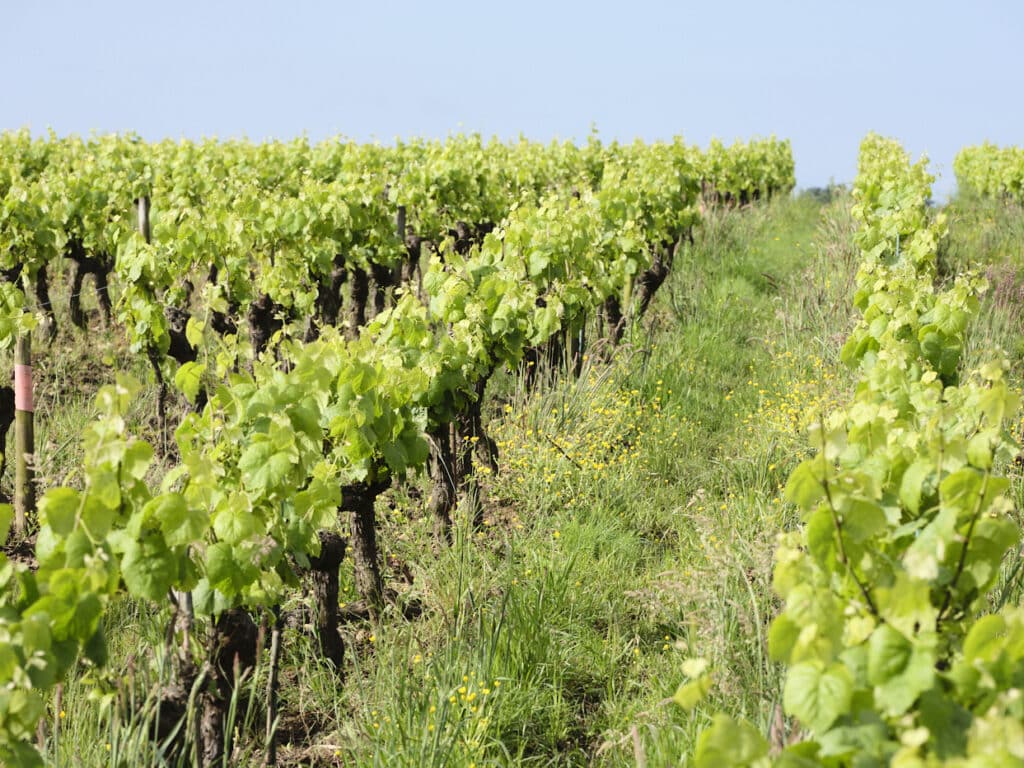
Anjou: a wine region of possibilities
If Anjou had to be summed up in a single word, it would probably be diversity.
Few wine regions are able to produce, within such a coherent geographical area, outstanding dry white wines, exceptional sweet wines, distinctive reds, rosés and internationally recognised sparkling wines.
This wealth of styles stems from the diversity of its terroirs. Anjou’s schist soils lend Chenin Blanc remarkable tension. Further east, the limestone soils foreshadow the Saumur wine region and produce different expressions of the same grape varieties.
This diversity provides genuine entrepreneurial freedom.
One estate may choose to specialise in a small number of highly distinctive cuvées, while another may develop a comprehensive range for several markets. A third may transform its tasting room into a welcoming and convivial destination in its own right.
This is complemented by particularly strong environmental momentum.
Today, 85% of the Loire Valley’s vineyard area is committed to environmental or organic certification, with Anjou among the regions leading this transition. (Source: InterLoire)
At Ampelio, we regularly meet prospective buyers who are drawn to Anjou’s ability to accommodate a wide variety of projects.
It is a region where winegrowers can still build an estate that reflects their own vision.
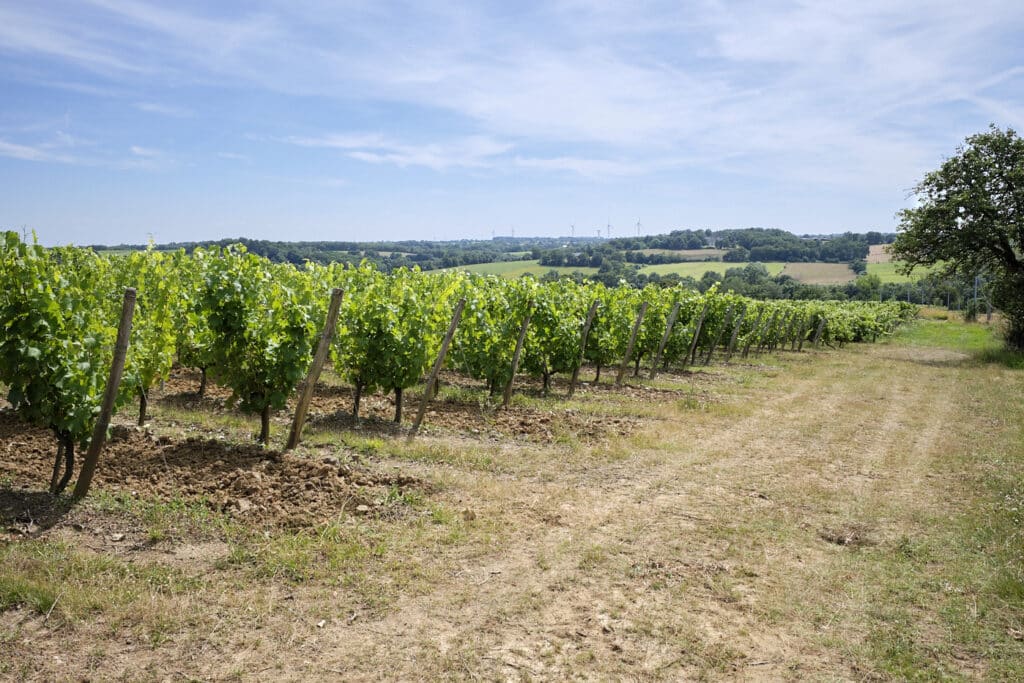
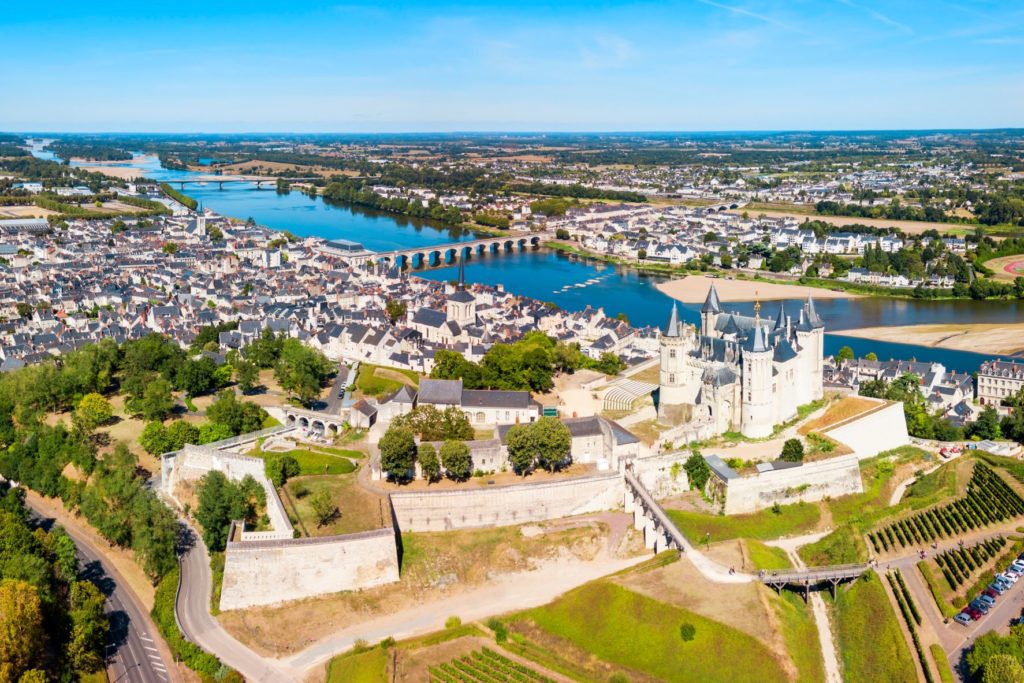
Saumur: when heritage becomes an economic asset
Continuing eastwards, the landscape changes once again. Schist gradually gives way to tuffeau, the region’s characteristic limestone. With it appear the troglodyte cellars, one of the most distinctive features of the Saumur wine region.
For many visitors, these cellars are a fascinating part of the local heritage. For a prospective owner, however, they primarily represent a powerful development opportunity. Natural wine-ageing cellars, tasting rooms, reception venues, galleries, restaurants or event spaces: few wine regions possess a heritage that can be put to such effective use.
The potential of the Saumur area extends far beyond its cellars. It benefits from a particularly dynamic tourism environment. Saumur Castle, the Cadre Noir, the Loire villages, troglodyte sites, the Loire à Vélo cycle routes and the landscapes listed as a UNESCO World Heritage Site attract several hundred thousand visitors each year. (Source: Saumur Val de Loire Tourist Office)
For a wine estate, this level of tourism represents far more than a simple flow of visitors. It provides an opportunity to build direct relationships with consumers, increase cellar-door sales, diversify activities and turn a tasting into a genuine wine experience.
The Saumur area therefore offers an environment in which wine production, heritage and tourism reinforce one another. For those developing a wine estate project, this complementarity represents a major advantage, particularly when building a business model that incorporates wine tourism.
Ampelio’s perspective
At Ampelio, we find that the Saumur area particularly appeals to buyers who wish to make hospitality and the customer experience a genuine focus for development, while benefiting from a wine region renowned for the quality of its wines and the richness of its heritage.
Chinon, Bourgueil and Saint-Nicolas-de-Bourgueil: the kingdom of Cabernet Franc
Continuing eastwards, the landscape changes once again.
The Loire and Vienne valleys form hillsides where Cabernet Franc has flourished for centuries.
For many wine enthusiasts, Chinon, Bourgueil and Saint-Nicolas-de-Bourgueil now represent some of the finest expressions of Loire Valley red wines.
Yet behind this shared grape variety lie three very different identities.
In Chinon, the diversity of soils produces everything from generous, approachable wines to exceptional age-worthy cuvées grown on the limestone hillsides.
In Bourgueil, clay-limestone soils and tuffeau give rise to more structured wines capable of developing over many years.
Saint-Nicolas-de-Bourgueil often offers a more delicate and elegant expression, particularly appreciated for its fruit and freshness.
For prospective buyers, these differences are essential. They make it possible to develop a highly distinctive market position without leaving the same wine-producing area.
However, the current appeal of these appellations extends far beyond the quality of their wines.
The market is changing.
Consumers are increasingly looking for freshness, balance and greater drinkability in red wines.
Loire Valley Cabernet Franc naturally meets these changing expectations. This trend is helping to strengthen the reputation of these appellations both in France and on international markets.
A region where wine and heritage develop side by side
Chinon is also recognised as a historic town of art and culture.
Its fortress, medieval streets, the River Vienne and numerous tourist routes attract both French and international visitors every year.
In Bourgueil and Saint-Nicolas-de-Bourgueil, local heritage, gastronomy, troglodyte cellars and the Loire à Vélo cycle routes naturally contribute to the same momentum.
For a wine estate, this visitor traffic provides an opportunity to increase direct sales, build customer loyalty and create a genuine experience centred around wine.
Ampelio’s perspective
We regularly assist buyers who are drawn to these appellations, seeking both the recognised quality of Cabernet Franc and areas that still offer genuine opportunities for commercial and wine tourism development.
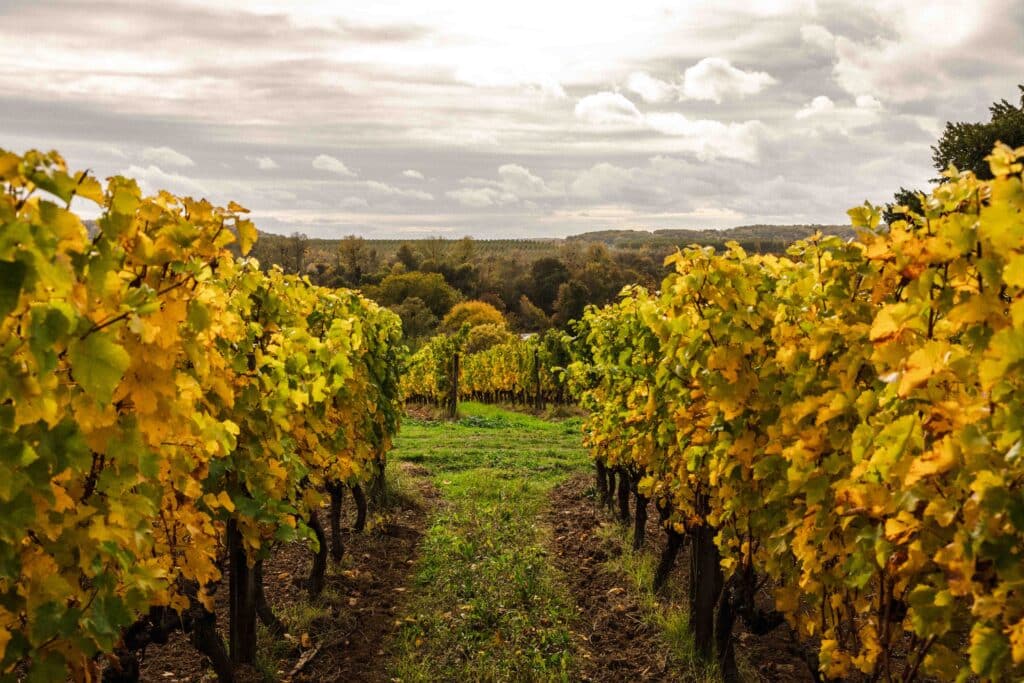
Vouvray and Montlouis-sur-Loire: two expressions of the same exceptional grape variety
Few grape varieties offer as many possibilities as Chenin Blanc.
Depending on the terroir, the vintage and the winegrower’s choices, it can produce highly precise dry wines, off-dry, medium-sweet or fully sweet wines, as well as outstanding sparkling wines.
Vouvray and Montlouis-sur-Loire are two remarkable examples of this versatility.
These appellations have long-established reputations, supported by iconic estates and a loyal customer base.
They are also experiencing renewed interest.
Exceptional food-friendly white wines are appealing to a new generation of wine enthusiasts in search of freshness, tension and ageing potential.
For prospective wine estate owners, these areas provide an opportunity to build a business firmly positioned around quality and premium wine values.
They also benefit from an excellent location.
Their immediate proximity to Tours, the châteaux of the Loire Valley and major tourist routes generates a steady flow of French and international visitors.
This visitor traffic represents a valuable opportunity for estates wishing to increase direct sales or develop wine tourism activities.
Their location also provides access to a large local population, an international tourist market and excellent transport links by rail and motorway.
Ampelio’s perspective
These appellations often attract buyers who favour a strategy based on quality, increasing the value of their wines and appealing to customers seeking highly distinctive cuvées.
Touraine: a wine region of remarkable diversity
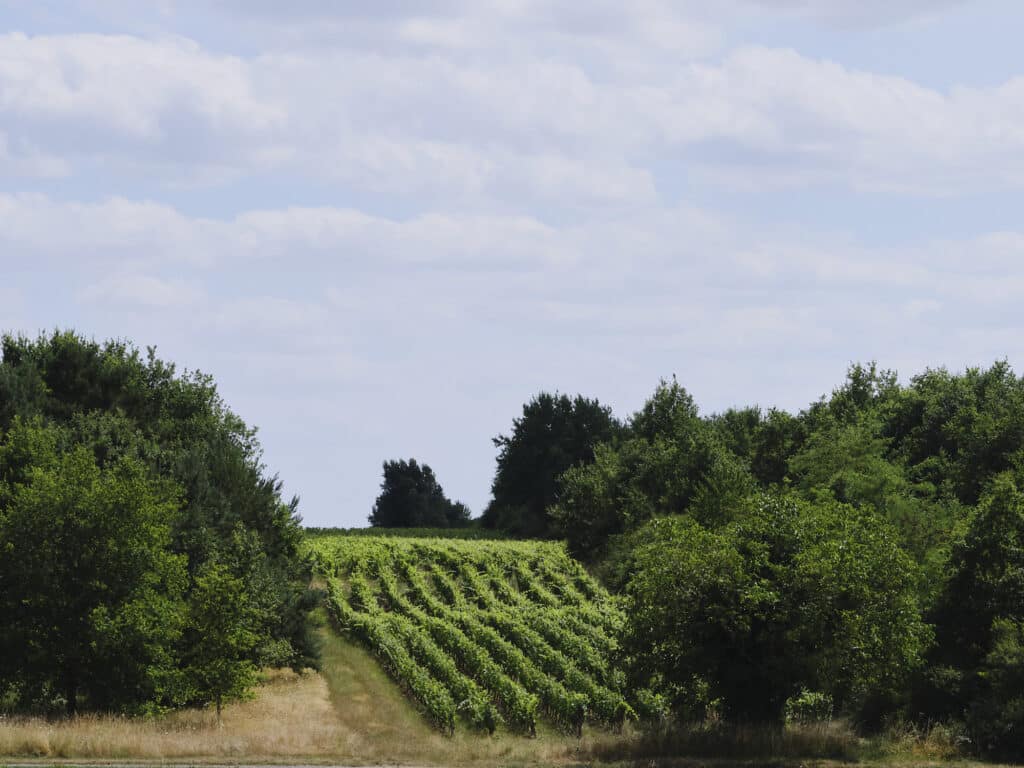
If one area could encapsulate the richness of the Loire Valley on its own, it would probably be Touraine. #vinsdetouraine
Few wine regions offer such a wide variety of grape varieties—including Sauvignon Blanc, Chenin Blanc, Cabernet Franc, Gamay, Côt, Pineau d’Aunis and Romorantin—appellations and business models.
This diversity is also reflected in the size of the estates, their distribution channels and their development strategies, providing prospective buyers with a broad range of opportunities.
Each area has its own identity, allowing very different types of wine estate projects to coexist.
Some estates focus primarily on specialist wine merchants and restaurants. Others concentrate on direct sales. Some prioritise export markets, while others build their development strategy around wine tourism.
The proximity of Tours, the châteaux of Chenonceau, Amboise and Chaumont-sur-Loire, as well as the Loire à Vélo cycle routes, further enhances the region’s appeal.
For many visitors, discovering a wine estate fits naturally into a broader experience combining heritage, gastronomy and the French art of living.
Ampelio’s perspective
Touraine appeals to a wide variety of prospective buyers.
Young winegrowers, families, entrepreneurs and investors often find a region diverse enough to develop a genuinely personalised project.
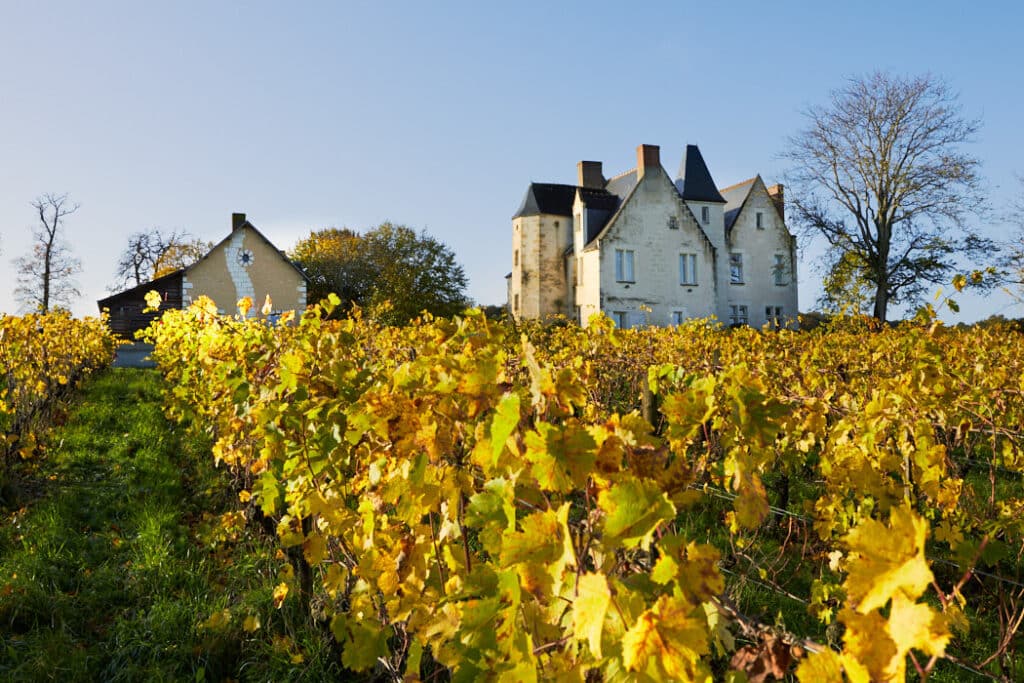
Sancerre and Pouilly-Fumé: international benchmarks
For many international wine enthusiasts, their first encounter with Loire Valley wines begins with two names:
- Sancerre.
- Pouilly-Fumé.
Their international reputation is naturally a major asset.
However, it also results in greater pressure on vineyard land and strong competition among prospective buyers.
Choosing these appellations solely for their prestige would nevertheless be a mistake.
As in any wine region, the success of a project depends first and foremost on the estate itself: its history, customer base, market positioning and development potential.
Above all, it depends on how well the buyer’s project matches the estate’s specific characteristics.
Appellations on the rise
Alongside these internationally renowned names are several wine regions whose reputations continue to grow:
Menetou-Salon, Quincy and Reuilly.
As well as Coteaux-du-Giennois and Châteaumeillant.
For some buyers, these appellations offer an opportunity to invest in areas with growing reputations, while benefiting from entry conditions that may be more accessible than in the most sought-after appellations.
For those looking to develop a wine estate project, they also provide an excellent opportunity to build a brand progressively within a market that is still evolving.é de construire progressivement une marque dans un marché encore en pleine évolution.
Ampelio’s perspective
We regularly find that the most relevant projects are not focused exclusively on the best-known appellations.
They often emerge from the meeting of a particular region, a wine estate and an entrepreneurial vision.
Choosing a region before choosing an appellation
Most prospective buyers begin their search with a very specific idea in mind.
They dream of Sancerre.
They picture themselves taking over an estate in Saumur-Champigny.
They want to produce Vouvray.
This initial instinct is entirely natural.
It is often shaped by the reputation of an appellation, their personal history or the wines they enjoy. Yet as they visit different estates, this certainty almost always evolves. A wine estate can never be defined solely by the name on its label.
Other questions soon take precedence.
What is the local economic environment like?
Does the area benefit from a strong tourism industry?
Is there an established local customer base?
Is the area an attractive place to live?
Do the local winegrowers work together as part of a collective dynamic?
Is there still significant development potential?
At Ampelio, we regularly find that the most successful projects are not necessarily those established within the most prestigious appellations. They are those that find a region aligned with their ambitions, their business model and their vision of the winegrower’s profession.
Your project may begin with a simple conversation
Taking over a wine estate represents far more than an investment.
It is a lifestyle choice.
An entrepreneurial project.
A family adventure.
Before even visiting an estate, it is often helpful to discuss your objectives.
What type of wines would you like to produce?
Which grape variety or appellation are you looking for?
Is wine tourism part of your project?
Do you see yourself working on a large or a smaller estate?
These questions often help guide the search far more effectively than simply browsing a selection of available properties.
At Ampelio, this is how most of our advisory relationships begin.
With a conversation.
Not to present available estates immediately, but to understand the project as a whole.
Because beyond the hectares, buildings or appellation, the right wine estate is, above all, the one that matches your ambitions, your approach to business and the story you wish to write.

At Ampelio, our mission is to create the right match between a wine estate and its future owner. We place people at the very heart of our work.
In every transfer, our main concern is ensuring that the association is lasting, sustainable, and balanced — so that each party can thrive and find value in the project. The economic future of the wine estate is also a key element we take into account.
We actively support these transitions and dedicate all our expertise to serving each project.
Do you have a question about selling or buying a wine estate?
Our team will be delighted to discuss your project with you and answer all your questions.
Ampelio brings over 10 years of experience in supporting and advising on wine estate transactions in the Loire Valley.